Skip to content

    Exotic Pets & Invertebrates for Sale in the UK

    Tarantulas and other spiders, scorpions, stick insects, mantises, millipedes, land snails, isopods, hermit crabs and honey bee colonies and nucs from experienced UK keepers, with captive-bred stock, care details and enclosure advice.

    Latest exotics & invertebrates for sale

    View all

    Exotics & Invertebrates news

    All pet news

    Upcoming exotics & invertebrates events

    Full events calendar

    Exotics & Invertebrates services near you

    Exotics & Invertebrates advice & buying guides

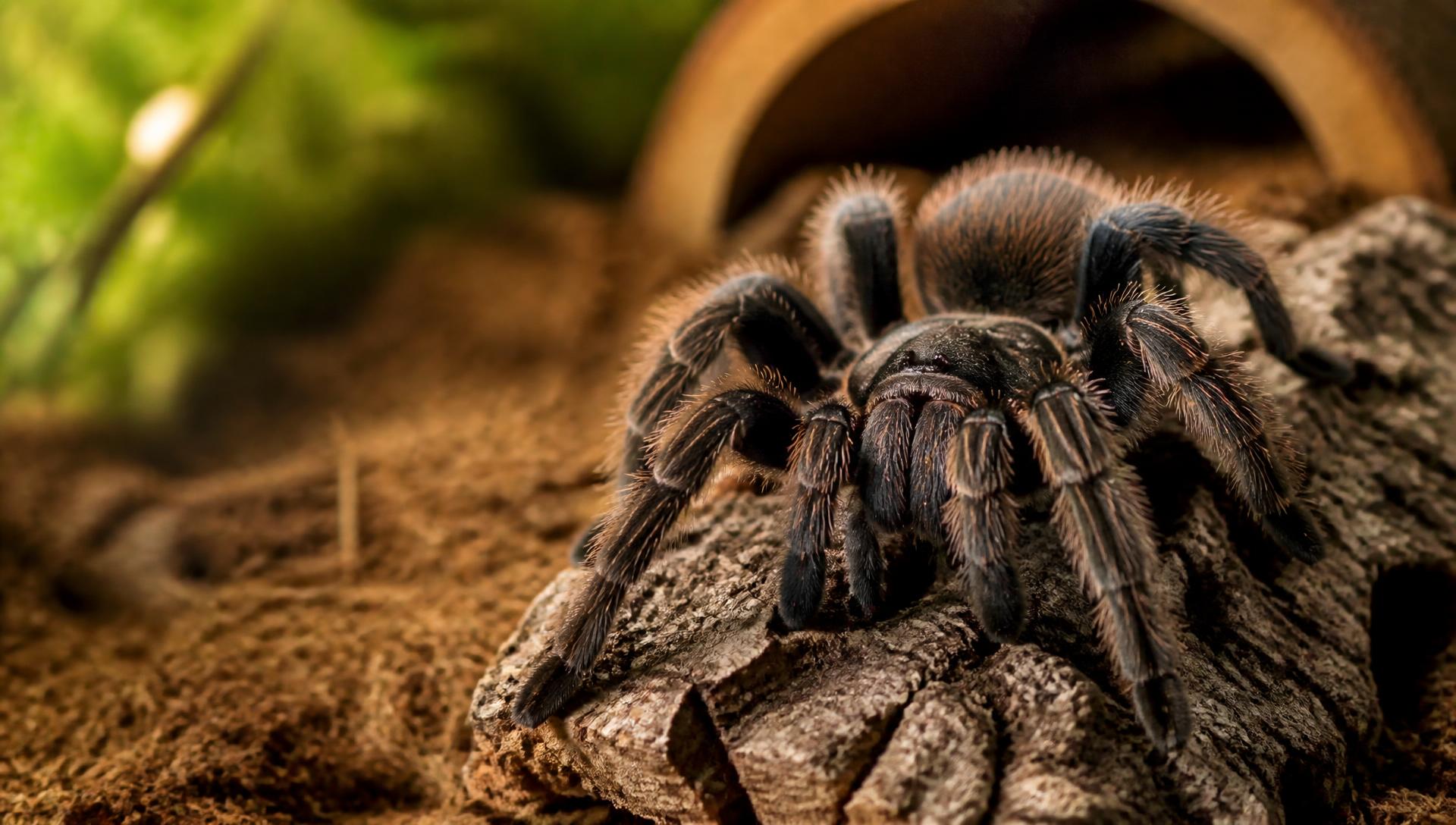
    Choosing a first tarantula

    New keepers do best with a calm, terrestrial New World species such as a Chilean Rose or Curly Hair. Avoid fast, defensive Old World species until you have a few years of experience. Always buy captive bred — wild-caught animals travel badly and are often already stressed or parasitised.

    Heat and humidity are the whole job

    Most invertebrates need a stable temperature (usually 20–26°C) and a species-specific humidity level. Use a thermostat-controlled heat mat on the side of the enclosure rather than underneath, keep one damp corner rather than soaking the substrate, and check readings with a digital thermometer and hygrometer, not guesswork.

    Handling and rehousing safely

    Tarantulas are for watching, not handling — a fall can rupture the abdomen, and urticating hairs irritate skin and eyes. Rehouse with a catch cup and a soft brush over a low table, and never work over a hard floor. Scorpions and centipedes should never be handled by hand.

    What to check before you buy

    Ask for the exact species name (not just a trade name), whether it is captive bred, its last moult and last feed, and its sex if known. Check the animal is plump and alert with all limbs. Confirm any CITES or Article 10 paperwork where the species needs it, and make sure a vet who treats invertebrates is within reach.

    Exotics & Invertebrates by location