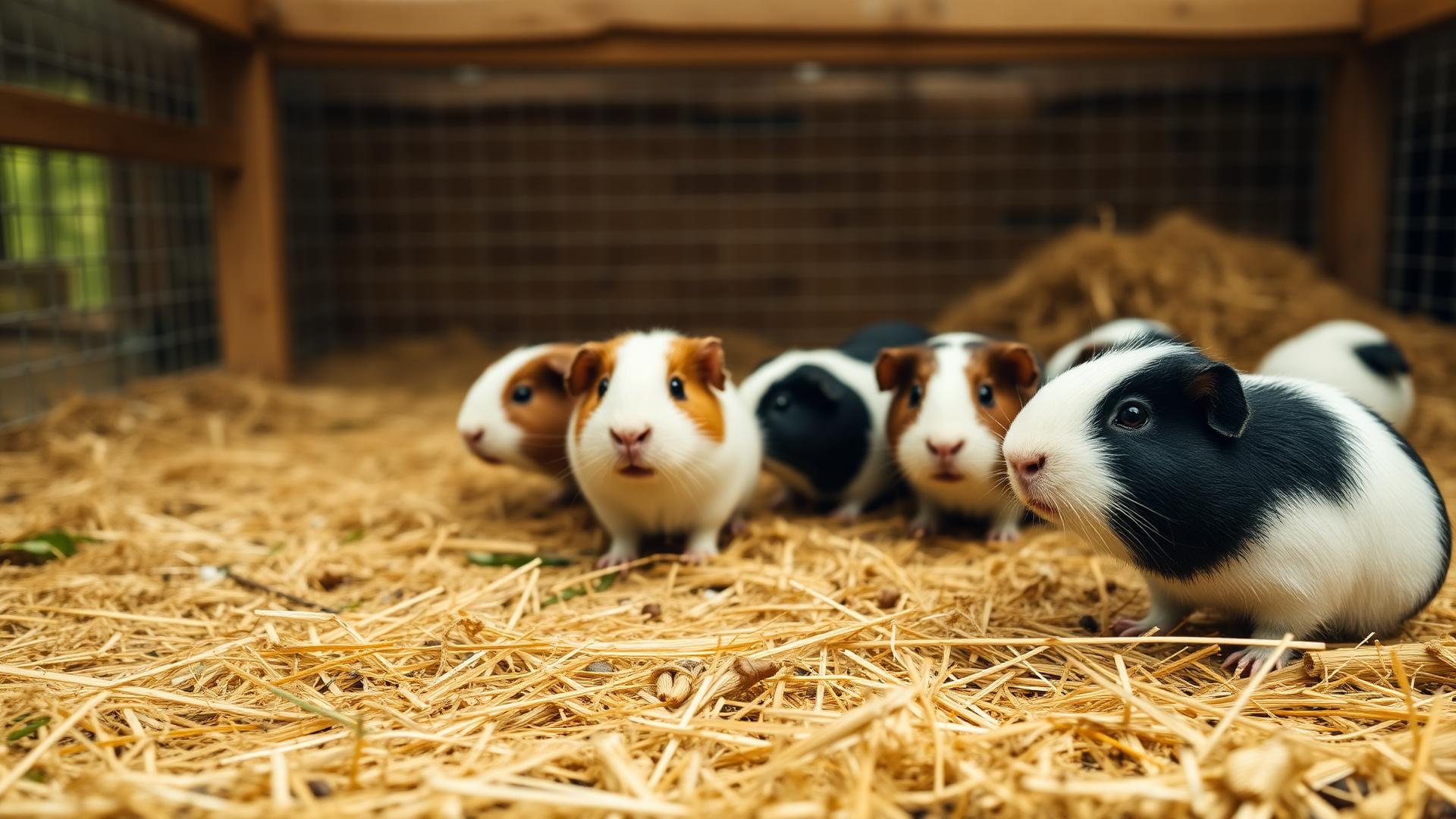
Buy two, not one
Guinea pigs are herd animals and become withdrawn alone. Take a same-sex pair, or a neutered boar with a sow. Two guinea pigs are barely more work than one and are visibly happier and more active.
Quick answer
Baby Guinea Pigs in the UK typically cost £15–£60. PetTrader lists baby guinea pigs from licensed breeders, private sellers and rescues, across 6 breed guides, with prices, locations and health details on every advert. Listings follow Lucy's Law and the Animal Welfare (Licensing of Activities Involving Animals) Regulations 2018.
 Rehome
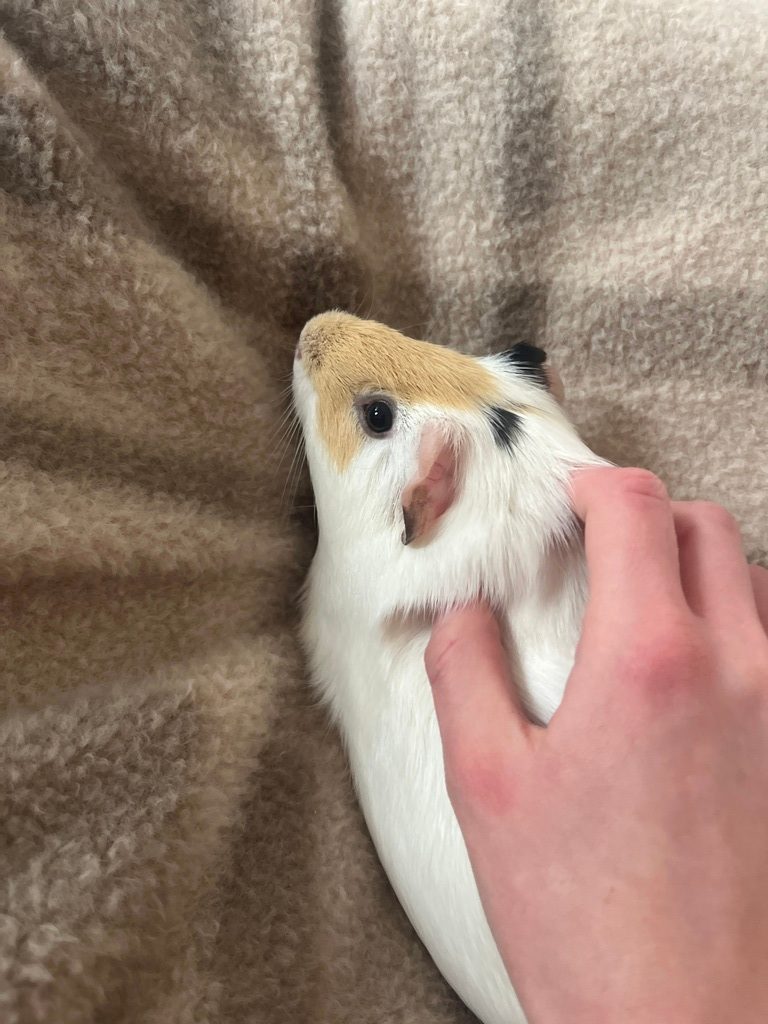
£20
good with children and handling, love running around and make lots of noises
 For Sale
£20
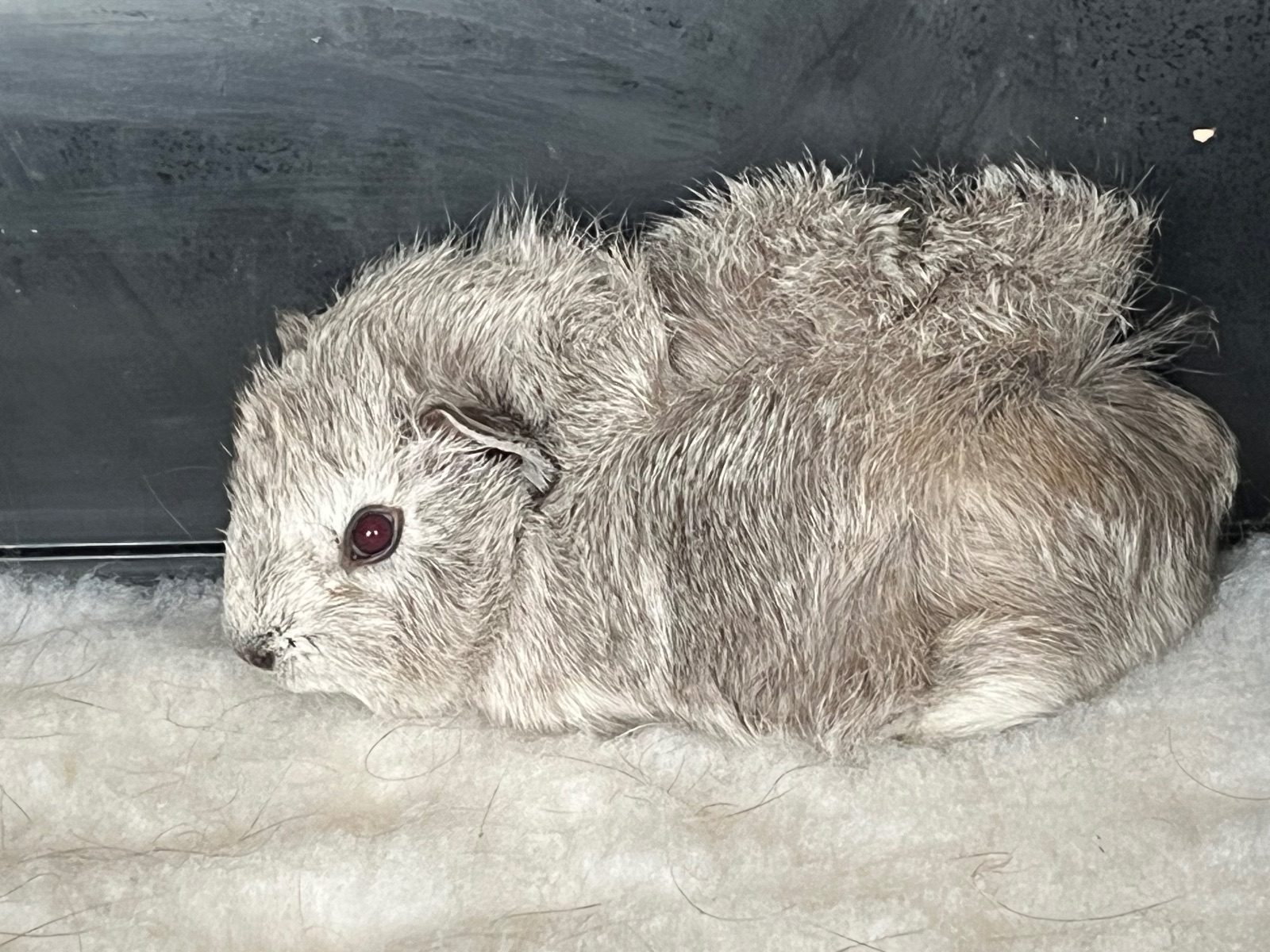
£25
Beautiful guinea pigs- great condition. adults also available.
Baby Guinea Pigs typically sell for £15–£60 in the UK. Price depends on breed, species or variety, health testing and registration paperwork, the seller's location and the time of year. Anything priced well below the range below is worth questioning — it is a common sign of an unlicensed seller or a scam advert.
| Varietie | Typical UK price |
|---|---|
| American Guinea Pig pups | £20–£45 |
| Abyssinian Guinea Pig pups | £25–£50 |
| Peruvian Guinea Pig pups | £30–£60 |
| Sheltie Guinea Pig pups | £30–£60 |
| Rex Guinea Pig pups | £25–£50 |
| Skinny Pig pups | £50–£120 |
Guinea pigs are herd animals and become withdrawn alone. Take a same-sex pair, or a neutered boar with a sow. Two guinea pigs are barely more work than one and are visibly happier and more active.
Guinea pigs cannot produce their own vitamin C and need it daily from fresh vegetables such as peppers, plus a guinea-pig-specific pellet. Rabbit food is not a substitute and leads to scurvy over time.
Check for clear eyes, a dry nose, no bald patches or scabs from mites, no crusting around the rear, and quiet breathing. Respiratory infection is common in overcrowded setups, so look at the conditions the litter has been raised in.
Guinea pigs usually cost £15–£60 each. Smooth-coated crossbreeds are cheapest, while Peruvian, Texel, Silkie and show-quality pedigrees cost more. Buy in pairs and budget for a large cage, hay and fresh vegetables.
Yes. Guinea pigs are herd animals and become withdrawn and stressed alone. Keep two or more of the same sex, or a neutered boar with sows. In Switzerland it is actually illegal to keep one on its own — that is how strong the evidence is.
From three to four weeks, but males must be separated from their mother and sisters by three weeks because they can breed from that age. Reputable breeders will already have separated the sexes.
Unlimited grass hay, a daily portion of fresh vegetables high in vitamin C such as peppers, and a small amount of guinea-pig-specific pellets. Guinea pigs cannot make their own vitamin C, so a rabbit food is not a substitute.
A minimum of 120cm x 60cm for a pair, plus daily floor time or a secure run. Bigger is always better — guinea pigs 'popcorn' and sprint when they have space, and cramped cages cause bullying between cage mates.
Typically five to seven years, sometimes longer. Common health issues to ask the seller about are dental problems, mites and respiratory infection, so check for clear eyes, dry nose and a full coat before buying.
They are one of the better small pets for families — they rarely bite, are active during the day and enjoy being handled once used to it. An adult should still oversee handling, cleaning and feeding.
You can, but most UK breeders and rescues will not sell one on its own. Guinea pigs are herd animals and a lone cavy becomes stressed and withdrawn, so buy a bonded same-sex pair, or a companion for a guinea pig that has recently lost its cage mate.
The most common in the UK are the smooth-coated American, the rosetted Abyssinian, the soft curly-coated Rex and Teddy, and the long-haired Sheltie, Coronet and Peruvian. Long-haired varieties need daily brushing and trimming around the rear; smooth-coated cavies are the easiest first guinea pig.
View the animal in person at the seller's own home before any money changes hands, keep all messages inside PetTrader so there is a record, and never pay by bank transfer, gift card or crypto to someone you have not met. Every PetTrader seller completes a photo-ID and live selfie check, and verified accounts carry a badge, and you can report an advert from the listing page.
Selling rather than buying? Identity-verified private sellers get their first advert free, and the first 200 businesses and breeders get 12 months free. Read where to advertise baby guinea pigs for sale in the UK for the options, costs and legal rules, or how to rehome a pet if you are finding a new home for one you already own.