Show your licence number if you need one
Anyone selling horses as a business — including breeding and selling three or more litters of dogs in a 12-month period — needs a licence from their local council under the Animal Welfare (Licensing of Activities Involving Animals) Regulations 2018. The licence number has to appear in the advert itself, and PetTrader has a dedicated field for it.
The passport and microchip must be right
Every horse, pony and donkey in the UK must have an equine passport and, since 2020, a microchip recorded on the Central Equine Database. The passport goes with the horse at the point of sale and ownership must be transferred within 30 days. No passport, no legal sale.
Describe ability, vices and health honestly
Height, age, sex, breeding, level of schooling, what the horse has done, and any vices, lameness history or veterinary treatment all belong in the advert. Misdescribing a horse is the most common cause of disputes and a buyer can reject the sale.
Encourage a vetting and a trial
Serious buyers will want to view, ride and arrange a pre-purchase vetting. Say in the advert whether you welcome vettings and whether the horse is available for a trial or loan with view to buy.
Use real, recent photographs
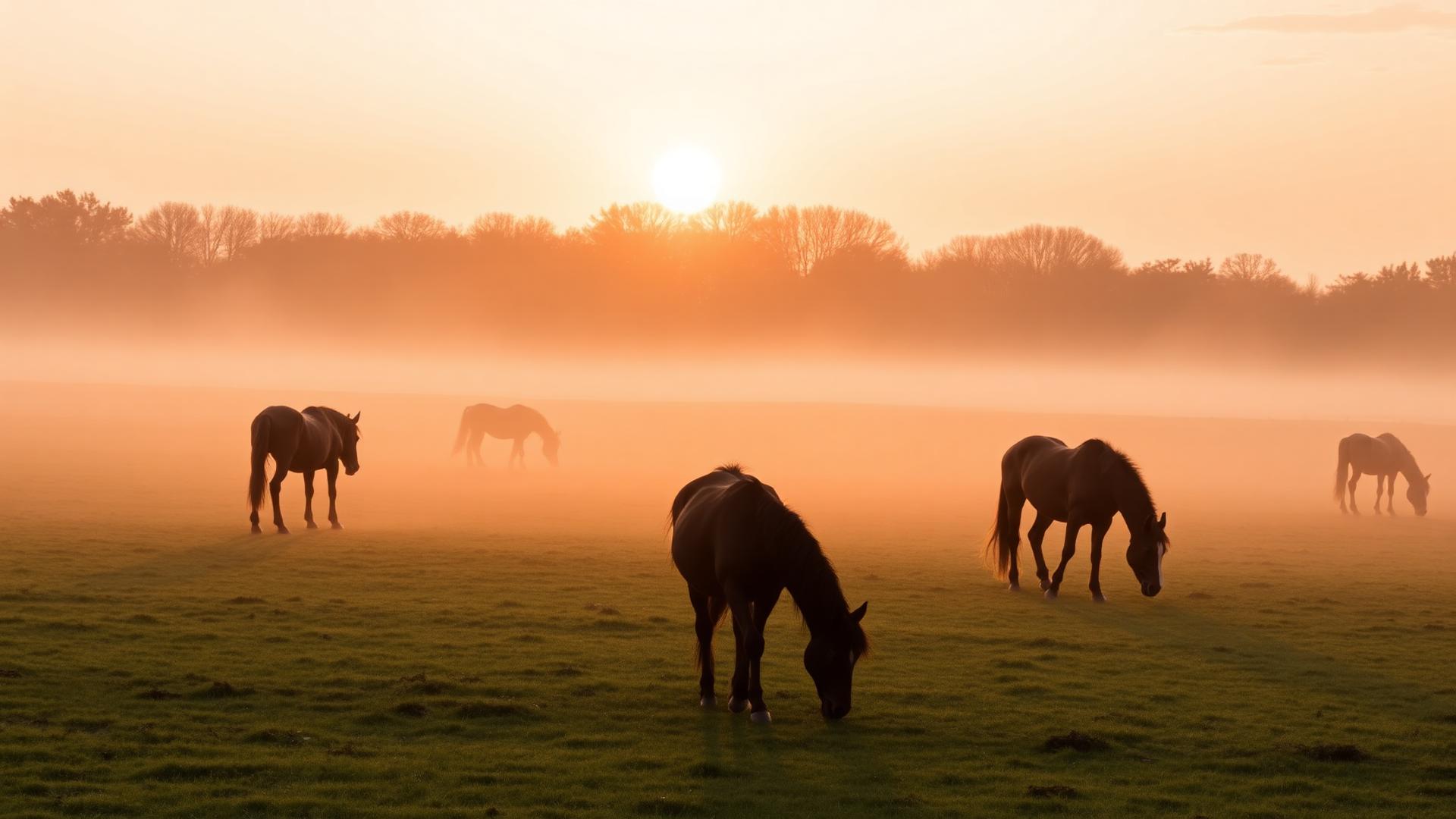
Stock images and photos lifted from elsewhere online are the number one sign of a scam advert. Pictures must be of the actual animal you are selling, taken where it currently lives. Adverts using images found elsewhere are removed.
Describe health and history honestly
Age, sex, health treatments, any known conditions and how the animal has been kept all belong in the advert. Under the Consumer Rights Act a buyer can come back to you if the animal was misdescribed, so being straight up front protects you as well as them.
Verify who you are
PetTrader will not publish a pet advert until the seller has passed an identity check — photo ID matched against a live selfie. It takes a couple of minutes and it is the main reason buyers trust adverts here over free classified sites.